Maintaining a commercial roof is crucial for protecting your investment and ensuring the longevity of your building. A well-maintained roof not only safeguards your structure from the elements but also enhances energy efficiency and reduces repair costs in the long run. In this article, we will provide expert tips on how to maintain your commercial roof, drawing on insights from High Line Roofing professionals based in Fort Worth.
Understanding the Importance of Roof Maintenance
Why Is Roof Maintenance Critical?
Roof maintenance is essential for several reasons:
- Prevention of Leaks: Regular inspections can identify potential leaks before they become significant issues. Longevity: A well-maintained roof can last significantly longer than one that is neglected. Cost Efficiency: Proactive maintenance can reduce the need for costly repairs or premature replacement. Energy Efficiency: Proper care helps maintain insulation, lowering heating and cooling costs.
Signs That Your Roof Needs Attention
It's important to recognize when your roof may need maintenance. Look for these signs:
- Missing or damaged shingles Stains on ceilings or walls inside the building Water pooling on flat roofs Visible wear and tear around flashing
How to Maintain Your Commercial Roof: Expert Tips from High Line Roofing
1. Regular Inspections by Professional Roofers
Engaging professional roofers, like those at High Line Roofing, for regular inspections is an essential first step in maintaining your commercial roof. These experts can spot problems that may go unnoticed by untrained eyes.
Why Hire Local Roofer Contractors?
Hiring local contractors has its advantages:
- Familiarity with regional weather patterns Access to local building codes and regulations Community trust and established reputations
2. Seasonal Maintenance Checklist
Creating a seasonal maintenance checklist can keep your roof in top shape throughout the year. Here are some tasks to include:
Spring Checklist
- Inspect for winter damage Clean gutters and downspouts Remove debris from the roof surface
Summer Checklist
- Check for loose or damaged shingles Inspect seals around vents and chimneys Ensure proper drainage
Fall Checklist
- Clear leaves and tree debris Check insulation levels in the attic space
Winter Checklist
- Monitor ice dam formation Inspect any exposed areas for cold weather damage
3. Importance of Cleaning Gutters Regularly
Gutters play a vital role in directing water away from your roof. Clogged gutters can lead to water overflow, potentially damaging both your roof and siding.
How Often Should You Clean Your Gutters?
It’s advisable to clean gutters at least twice a year, preferably during spring and fall, but more frequent cleanings may be necessary depending on surrounding foliage.
4. Addressing Minor Repairs Promptly
It’s easy to overlook small issues, but addressing them promptly can prevent larger problems down the line.
What Minor Repairs Should You Look For?
Keep an eye out for:
- Loose shingles or tiles Cracks in caulking around vents or chimneys Rust on metal roofs
5. Conducting Moisture Inspections
Moisture is one of the biggest threats to any type of roofing system. Regular moisture checks should be part of your maintenance routine.
How Do You Check for Moisture?
Use infrared cameras or moisture meters to detect trapped moisture under roofing materials.
6. Investing in Quality Materials During Installation
Choosing high-quality materials during installation sets a solid foundation for longevity.
What Materials Should You Consider?
Discuss options with your roofer; popular choices include:
| Material | Pros | Cons | |-----------------|--------------------------------|------------------------| | EPDM | Durable & Cost-effective | Limited color options | | TPO | Energy-efficient | May require special tools for installation | | Metal | Long-lasting & Low maintenance | Higher initial cost |
7. Understanding Different Types of Commercial Roofs
Each type of commercial roofing comes with its own set of maintenance requirements.
7a. Flat Roofs
Flat roofs are prevalent in commercial buildings but require diligent inspection due to water pooling risks.
7b. Sloped Roofs
Sloped roofs tend to shed water more effectively but still require regular inspection for debris buildup.
8. The Role of Insulation in Roof Maintenance
Proper insulation not only keeps heating costs down but also protects against condensation buildup that could lead to mold growth.
8a. Checking Insulation Levels
Regular checks ensure that insulation remains intact and effective over time.
9. Ventilation’s Impact on Longevity
Proper ventilation prevents heat buildup which could warp roofing materials over time.
9a. Assessing Ventilation Systems
Ensure that HVAC systems are functioning correctly, allowing adequate airflow through attic spaces.
10: Protecting Against Severe Weather Damage
10a: Installing Storm Guards
Storm guards protect vulnerable areas like skylights and vents during extreme weather conditions.
11: The Role of Landscaping in Roof Maintenance
Overhanging branches can pose risks; regular trimming helps protect against falling debris during storms.
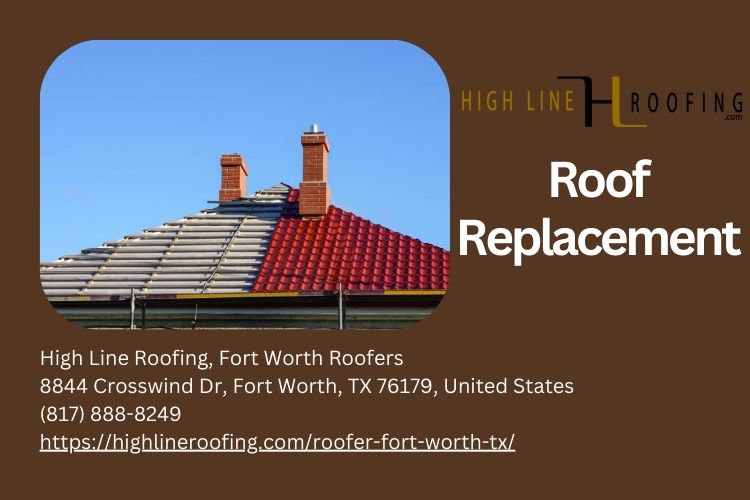
12: Avoiding DIY Repairs
While it might be tempting, DIY repairs often lead to further damage if not performed correctly; always consult professionals like High Line Roofing instead!
13: Using Technology for Monitoring
Consider utilizing drone technology or thermal imaging systems for more comprehensive inspections without risking safety hazards associated with climbing onto roofs yourself!
14: Emergency Preparedness Plans
In case severe weather strikes unexpectedly having an emergency preparedness plan ensures quick action minimizes damage done!
" width="560" height="315" frameborder="0" allowfullscreen>
15: Documenting All Maintenance Work
Keep detailed records documenting all inspections repairs performed; this documentation aids future assessments & insurance claims!
FAQ Section
FAQ 1: How often should I have my commercial roof inspected?
For most buildings, it's recommended to have professional inspections at least twice a year—once in spring and once before winter hits.
FAQ 2: What signs indicate my commercial roof needs replacement?
Look out for extensive leaks damage beyond minor repairs visible sagging structural issues evident aging materials such as curling shingles rust corrosion etcetera!
FAQ 3: Can I perform my own inspections?
While you can conduct basic visual checks from ground level it’s best practice hire qualified professionals who possess experience specialized equipment assess hidden dangers accurately!
FAQ 4: How do I choose reliable Fort Worth roofers?
Research reviews ask questions confirm qualifications check references before making decision hiring contractor ensure they hold relevant licenses insurance coverage necessary complete job successfully!
FAQ 5: What happens if I ignore maintenance recommendations?
Neglecting routine maintenance leads increased risk extensive costly repairs premature replacements decreased lifespan overall value property!
FAQ 6: Are there warranties available on new roofs?
Yes! Most reputable contractors offer warranties covering workmanship material defects inquire about specific details before committing contractually!
Conclusion
Maintaining your commercial roof requires diligence attention detail commitment towards preventive measures regularly scheduled check-ups conducted by trusted local roofer contractor such as High Line Roofing will promote longer lifespan while safeguarding investments against unforeseen damages caused harsh elements experienced Texas climate! By adhering following expert tips outlined above—your business facility remains protected ensuring peace mind knowing everything possible done maximize efficiency effectiveness overall functionality premises! Remember—proper care goes hand-in-hand with profit margins growth success throughout years ahead!
roofers near meContact Us
High Line Roofing, Fort Worth Roofers
Address: 8844 Crosswind Dr, Fort Worth, TX 76179, United States
Phone: (817) 888-8249
This comprehensive guide serves as a valuable resource for anyone looking to maintain their commercial roof effectively while highlighting essential knowledge acquired through experiences shared by industry leaders like High Line Roofing based out Fort Worth area!